


Pitching sounds easy until it’s you who has to ACTUALLY do it.
That was me when I first started freelance writing. I was nervous about reaching out and asking if they needed a writer. Why would they read MY email? Why would they care?
And there isn’t just one way to pitch either. There’s cold pitching and then there’s warm pitching.
Cold pitching is reaching out to a business that isn’t even on the lookout to hiring a writer. They aren’t launching a new app or trying to grow their brand by having the CEO on podcasts or writing thought leadership content on LinkedIn.
No. These businesses are focussed on growing their website and that’s it.
With warm pitching, you are getting in front of the right people that would eventually hire you (or another freelancer). These people make up your network that you can leverage for years to come.
But if you’re a brand new freelance writer, you don’t have a network and you have no clue how to get a network that will hire you.
For me it took about a year to be comfortable with pitching, either cold or warm. I ended up just jumping in cold and doing the work. But I know there are many writers that don’t like that approach. It’s harsh and doesn’t alway pan out.
So, over the years of teaching new writers, I’ve created a low-barrier method that you can use on LinkedIn (or Facebook or Instagram).
This method, luckily, doesn't involve pitching, sending awkward DMs, or trying to connect with hundreds of strangers. Instead, you're going to intentionally build a network around the type of writing work you eventually want.
Easy peasy right?
So let’s dive into this low-barrier, non-cringey, method.
1. Don't Start By Connecting. Start By Following
In 2021, LinkedIn launched its creator mode, allowing users to grow their followers along with their connections.
And by 2024, the creator mode is it’s most standard form, meaning most people “turn it on” to help them grow their brand.
Because this is fairly new, many new writers still think they need to hit “Connect” every time they find someone interesting, but they don’t.
Plus hitting the connect button means you should probably write a quick note and for many, this is just too much. It is for me at times.
Instead, following others is a zero pressure method. There's no invitation for someone to accept or reject, and you don't have to come up with a clever connection message.
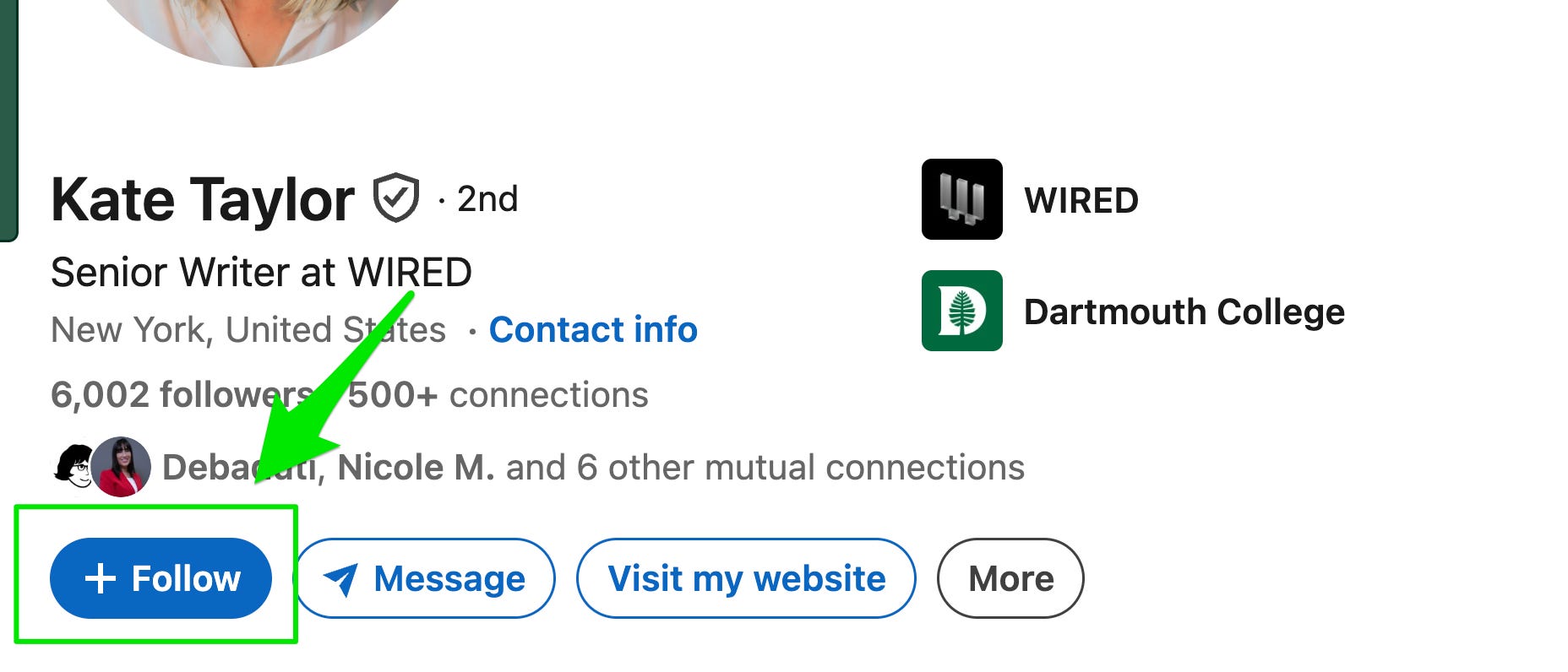
What’s more important is, following them is initially for YOUR benefit, not theirs.
You’re intentionally changing what appears in your feed so LinkedIn starts becoming less random and more useful to your freelance writing business.
Now it’s your turn:
Go on LinkedIn and follow 15-20 editors, content marketers, CEOs and other thought leaders in your niche. Take your time to find the RIGHT people to follow (and eventually fill your feed).
Not sure how to do this? That’s okay, I break it down in the next steps so keep on reading!
2. In the Beginning, Follow Writers Who Already Work in Your Niche
Now I know I JUST told you to follow people who will eventually hire you, but I want you to also follow other writers to grow your network.
These could be copywriters, authors and other freelance writers in or around your niche.
This might seem backwards because writers aren't necessarily the people hiring you, but they're often the easiest entry point into the industry.
I particularly follow writers that write for the brands I want to write for.
For example, here’s a journalist that writes for Shopify that I can follow.
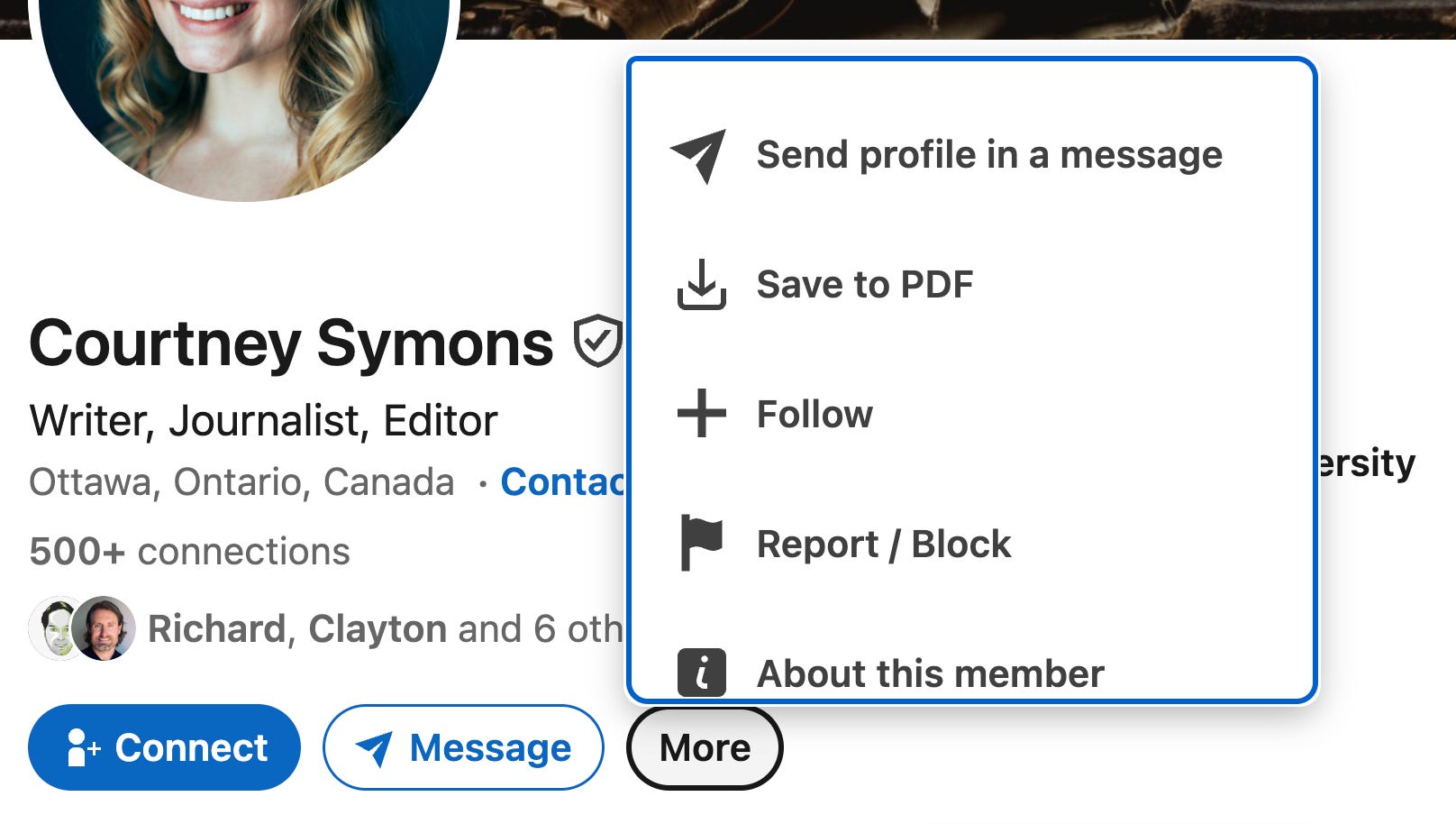
You’re seeing what they’re writing about, which companies they’re working with, what terminology they use, and what they’re charging or talking about.
You’ll also see who they’re interacting with in their feed, helping you find things to engage with also. This is looking into their network.
That becomes important for the next step.
3. Now Find the Editors Those Writers Are Talking To
Once you've found writers in your niche, start paying attention to the editors around them.
Who comments on their posts?
Who are they tagging?
Where are they getting published?
Who is sharing their work?
You might find the people you are following aren’t that active on LinkedIn. If that’s the case, you don’t have to keep following them, just find another person in the company you want to write for that you can follow.
For me, I try to carve out 20 minutes each morning to reply to comments on my posts and to look through my feed to find:
Potential writing jobs
Freelance tips
Posts to comment on
It doesn’t matter if the post has 2 comments or 50 comments, it’s enough to add something of value and move on (we will talk about that soon).
This is where your network starts expanding beyond other freelancers.
Follow editors who work for publications, companies, agencies, eCommerce brands, or whatever makes sense for your niche.
Again, you’re not asking them for work.
You’re getting closer to the people who exist in the same professional circles as the clients you eventually want.
And don’t worry if those people don’t know who you are. That’s okay. Over time you will respond to their posts or maybe look at the articles they have written or any links they share and comment on those with your audience.
4. Don't Stay Trapped Inside Your Exact Niche
Even though I’m a SaaS writer in the digital marketing niche, I try to connect with and follow people outside of my niche like eCommerce companies, AI companies or other tech companies.
If someone writes about AI prompts for marketing teams, for example, they’re still close enough to my world that their network could be valuable. So, for you, think of your niche as a circle and then build another circle around it.
This can also open the doors to pivoting your nice or trying a new niche idea later on.
5. Your Next Low-Barrier Move: Start Commenting
Now that the right people are actually showing up in their feed, you can start participating.
That’s where I would advise you to take a few minutes each morning to peruse your feed and see if there is something worth commenting on. For me, I don’t always find it right away and so through out the day I will check LinkedIn to find something to comment on.
Make sure to leave comments that add something to the conversation. This is usually your perspective or experience.
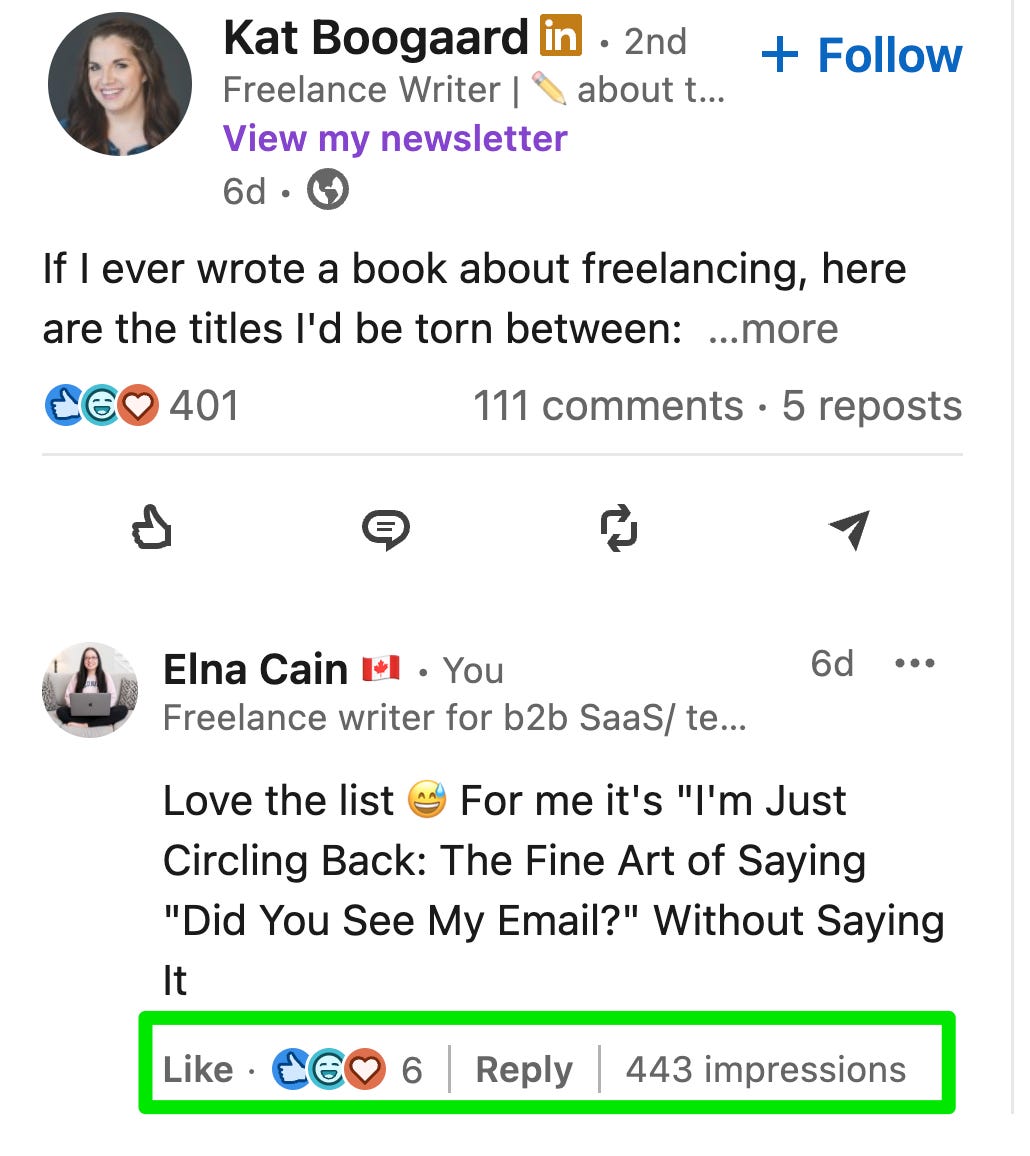
Try to make it a fun activity and engage in an authentic way to boost your comment (i.e. get more likes, replies and impressions).
Commenting is an especially low-pressure way to get your name in front of people because you're joining an existing conversation instead of trying to start one yourself.
6. Make Sure Your LinkedIn Profile Is Ready for the Click
The goal of all this LinkedIn marketing stuff is to get people to view your profile.
LinkedIn does give you analytics to see if this is happening.
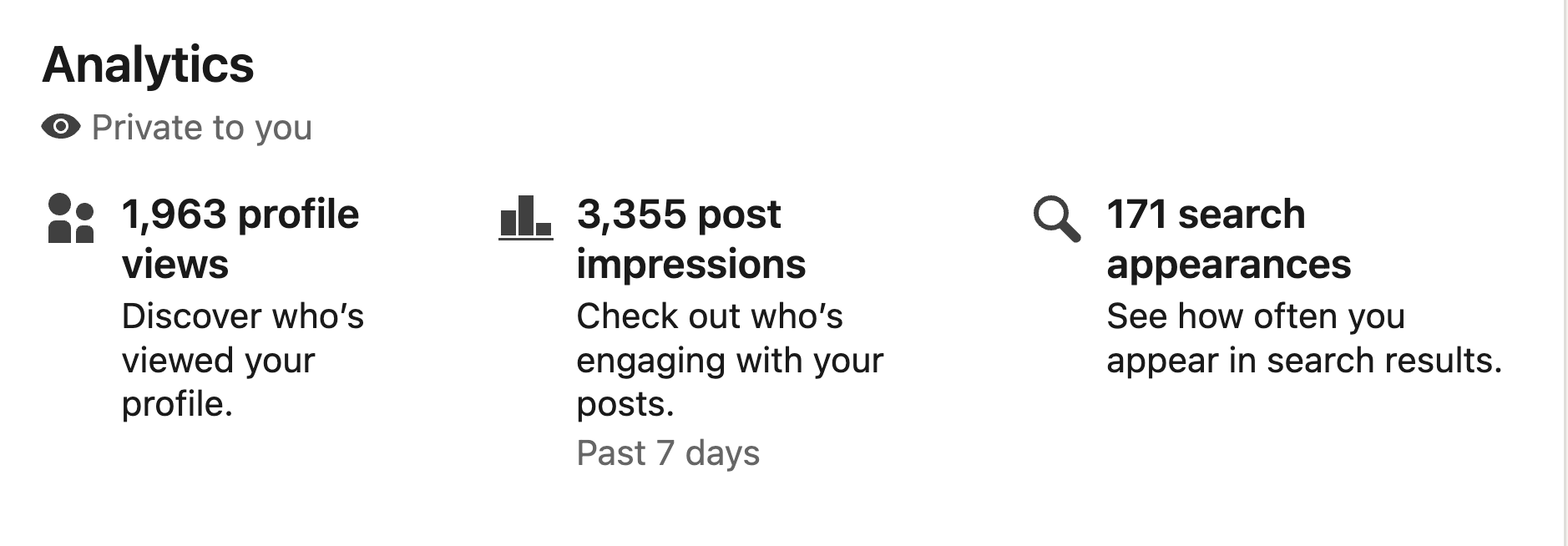
When you see people coming to your profile, make sure you have the right words and titles.
There’s a lot that goes into marketing on LinkedIn (I share my best tips in my program Writeto1k) but here’s a video on how to optimize your profile.
Those first few steps might feel like they’re not accomplishing much because nobody handed you a client after leaving three LinkedIn comments.
But you’re building something more important first: proximity.
You’re getting yourself into the same digital rooms as writers, editors, marketers and companies in your niche.
Remember, this isn’t a quick fix method. It’s a low-barrier method and that will take time.
The Final Step: The Warm Pitch
Once you have a network of the right people you’re following and your profile is optimized to close the deal, it’s time to now nudge these people.
Remember, just because you are following them and commenting on their posts doesn’t necessarily mean THEY SEE YOU or KNOW YOU.
That’s where emailing them or sending them a DM comes into play.
If you can message them, here’s a template that can work for you:
Hi [Name],
I saw your post about [specific topic/update] and your point about [specific detail] really caught my attention, especially since I write quite a bit about [related niche/topic].
I took a look at [Company]’s blog afterward and really liked what you’re doing with [specific content/topic]. I’m a freelance [niche] writer, so I wanted to reach out and see if you ever work with freelance writers or need some extra content support.
Happy to send over a few relevant samples if you’re looking for writers right now.
Elna
If it’s too wordy, parse it down to fit what you want to say. The idea is to NOT make this sound like cookie-cutter copy.
It’s a template where you can add your relevant ideas and experiences.
I hope this helped you! Let me know in the comments if you are going to try this low-barrier method or you have your OWN method you’d like to share!
Also, don’t forget you can check out my:
Read Next:
I Added One Word to My LinkedIn Profile. Then a Client Found Me
If You’re Writing on Substack for Free, There May Be a Much Faster Way to Get Paid
About the Author:
Hey! I’m Elna, the midlife mom of TEEN twins and a decade old freelance writer. I’m the woman behind The Next Chapter. This is the place were I give real strategies, real tactics to grow your online business.
About Being a Paid Subscriber
Once you become a paid subscriber, you’ll get your first eBook and have many more perks:
Dedicated podcast The Million Dollar Chapter where I share my best secrets to help you thrive and build
Special codes for deals off my new digital products
Videos showing you how to create the things I have created so you can make money
Q/A sessions. Ask me anything!
Plus free Ebooks, guides and more every month
It’s time to treat yourself and your business!
I’m actually doing a version of this now, and it feels much more natural to me than jumping straight into cold pitches. I’ve been intentionally following people in my niche, commenting when I genuinely have something to add, and paying attention to who they interact with.
Then, when there’s enough familiarity, a warm message doesn’t feel like I’m appearing out of nowhere asking for work. I’m still building the network, but I’m much more comfortable with this approach than trying to send dozens of cold DMs every day.